The Man Who Found Caps Lock
An unapologetic, very loud love letter to ISIS, OMG, and SUMAC.
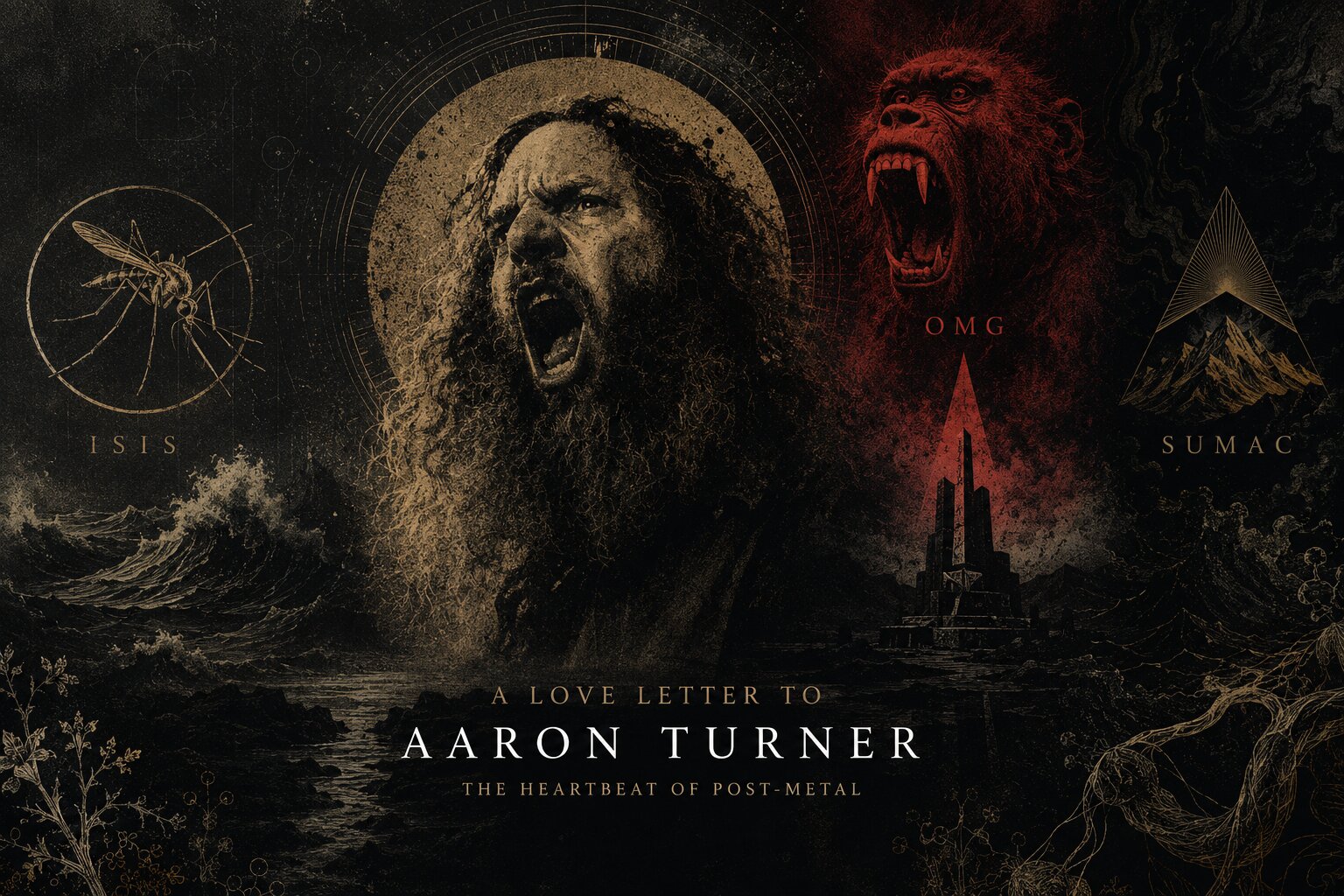
How much noise can one man make?
If you’re Aaron Turner, then turns out the answer is “a lot”.
But this isn’t just noise for the sake of noise… well, sometimes it is; this is deliberate and finely crafted noise with a myriad of inspirations behind it.
It’s patient, aggressive, and fundamentally passionate at its core. It’s noise that’s searching for answers to questions that are unique to each listener.
This noise is music, it’s sound scapes, it’s hypnotic, it’s meditative. It’s whatever you need it to be, when you need it to be it.
So what is it about Aaron Turner’s style of music, of which he has many, that drove me to write this post? I think it comes down to three things:
- Integrity
- Consistency
- Feeling
Integrity
Aaron makes music because he is ultimately a creative individual. He craves stimulation and through the years that I’ve been following his work, I have found him to be someone of high moral fibre and I take that very seriously in a world where most of our species is anything but human.
So when it comes to music that he writes, contributes to, collaborates on, or even just recommends or promotes… I take notice. Real integrity doesn’t come around often, so when someone actually commands it, you pay attention.
Consistency
Aaron Turner helped start the band ISIS in 1997, then OMG in 1999. Later, after the demise of ISIS, he would start SUMAC in 2014.
ISIS started as a hardcore’esque sludge band but evolved into being the flag bearers for the entire post-metal genre. OMG (Old Man Gloom) is a “super group” consisting of members from not only ISIS but Converge and Cave-In, and they deal out experimental sludge with the frenetic energy of hardcore mixed in. While SUMAC (yet another super group) consisting of ISIS, Russian Circles and Baptist members, pushes the envelope even further into avant-garde metal.
These bands alone have built an incredibly consistent body of work, of very high quality and musicality, across numerous albums and EPs.
But add to that Aaron’s collaboration work: Mamiffer (ambient), Pharoah Overlord (experimental rock), Greymachine (experimental industrial), Lotus Eaters (experimental electroacoustic), Split Cranium (hardcore punk); and the recent (as of 2026) news that he is now a full time member of the band Neurosis; a band that was instrumental in Aaron’s musical direction, and you can start to see that this isn’t your average run-of-the-mill musician.
💡 HINT
Can you tell which musical avenue Aaron Turner like’s to hang out most? Pay attention to all those experimental genres.
Feeling
The reflective wanderings of ISIS’ later work, the youthful aggression of their earlier material, the frenetic chaos of OMG, the soul-crushing wisdom of SUMAC. Each one fills a different emotional need, and together they cover more ground than any single band ever could.
I first heard ISIS as a younger man and was immediately pulled under by the hypnotic rhythms and the dark, quite frankly terrifying vocal delivery. It fit my mood so precisely that I didn’t think another band would ever come along to match it. And for 25 years, nothing did.
Then SUMAC happened.
Now, as a husband and a father to two children, I’m a different person. I can still lock in to those youthful vibes when I need to — “transcend and include” as Ken Wilber used to say — but my palate has matured. The avant-garde improvisational noise of SUMAC is where I dwell now. It makes me feel satisfied, complete, in a way that nothing else quite manages.
Musical Journey
Let’s take a run-through some important milestones in Aaron Turner’s career (with respect to ISIS, OMG and SUMAC); and I’m going to be strict on myself and select a maximum of three albums per band (this is going to be hard).
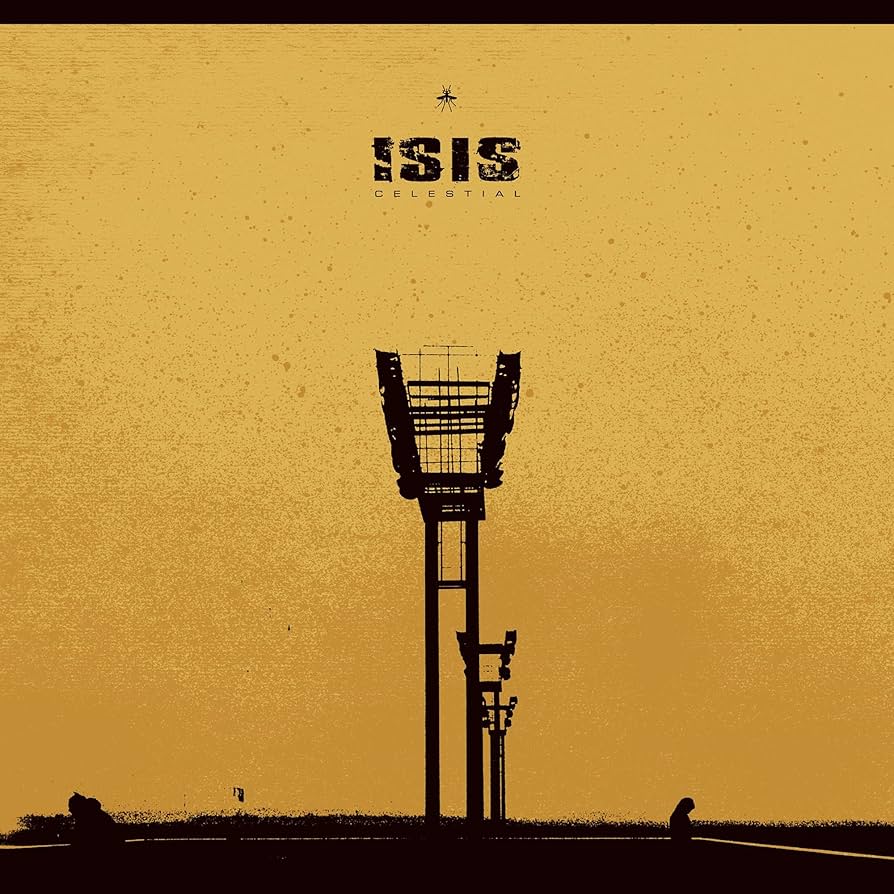
ISIS - Celestial (2000)
From the opening riffs of ‘Celestial (The Tower)’, with its ominous “ommmm” hum pulsating out and over the top like an alien siren, you’re thrown into the deep murky depths of the sludge metal music that ISIS has crafted.
But this isn’t your box-standard cookie-cutter sludge metal. There is depth, and many layers of sound, to work through and appreciate as they mix the repetitious and crushing riffs with electronic synths and progressive, rhythmic, instrumental passages that wind and turn and repeat in upon itself.
Stand-out tracks:
- Celestial (The Tower)
- Collapse and Crush
- Gentle Time
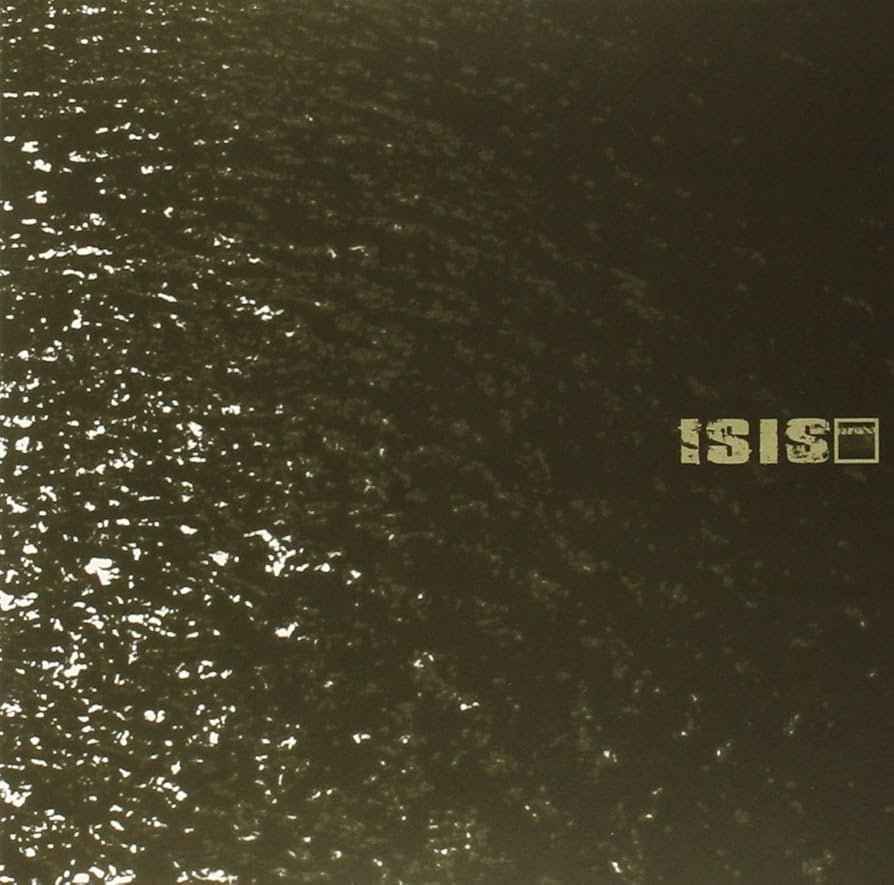
ISIS - Oceanic (2002)
This a landmark album widely seen as a turning point in the ISIS sound and in the development of the post-metal genre. long, immersive tracks blend heavy, slow-building riffs with ambient textures and moments of quiet, atmospheric reflection, dragging you along like waves in a vast, shifting sea.
The album is also a concept piece, exploring themes of love, loss, and emotional weight through expansive instrumental passages and sparse vocals. While it demands patience and attention from listeners, Oceanic rewards those who enjoy music that’s as much about mood and atmosphere as it is about riff intensity
Stand-out tracks:
- The Beginning and The End
- Weight
- From Sinking
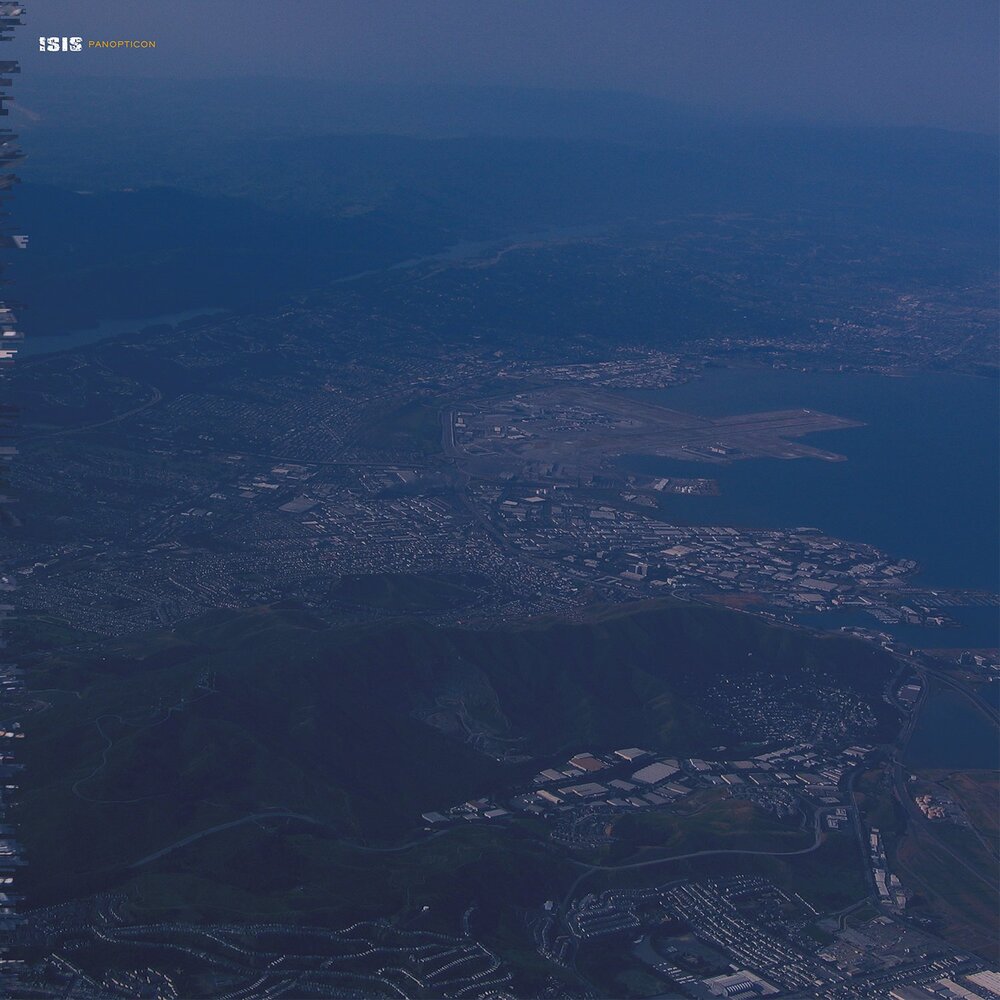
ISIS - Panopticon (2004)
Oceanic defined post-metal by anchoring crushing post-hardcore sludge with an aggressive, claustrophobic wall of sound. Aaron Turner’s prominent, guttural roars drove the album’s themes of despair, while the musical transitions between heavy and quiet sections were jarring and abrupt, hitting the listener with tidal force.
By contrast, Panopticon embraced a fluid, progressive, and ambient sonic palette. Vocals took a backseat, becoming sparser, buried in the mix, and occasionally clean. This left vast instrumental spaces for the music to breathe. The addition of prominent synthesizers introduced eerie, cinematic textures, while the songwriting traded Oceanic’s abrupt shifts for slow-burning crescendos and hypnotic, interlocking guitar melodies reminiscent of progressive space-rock.
Stand-out tracks:
- So Did We
- Syndic Calls
- Grinning Mouths
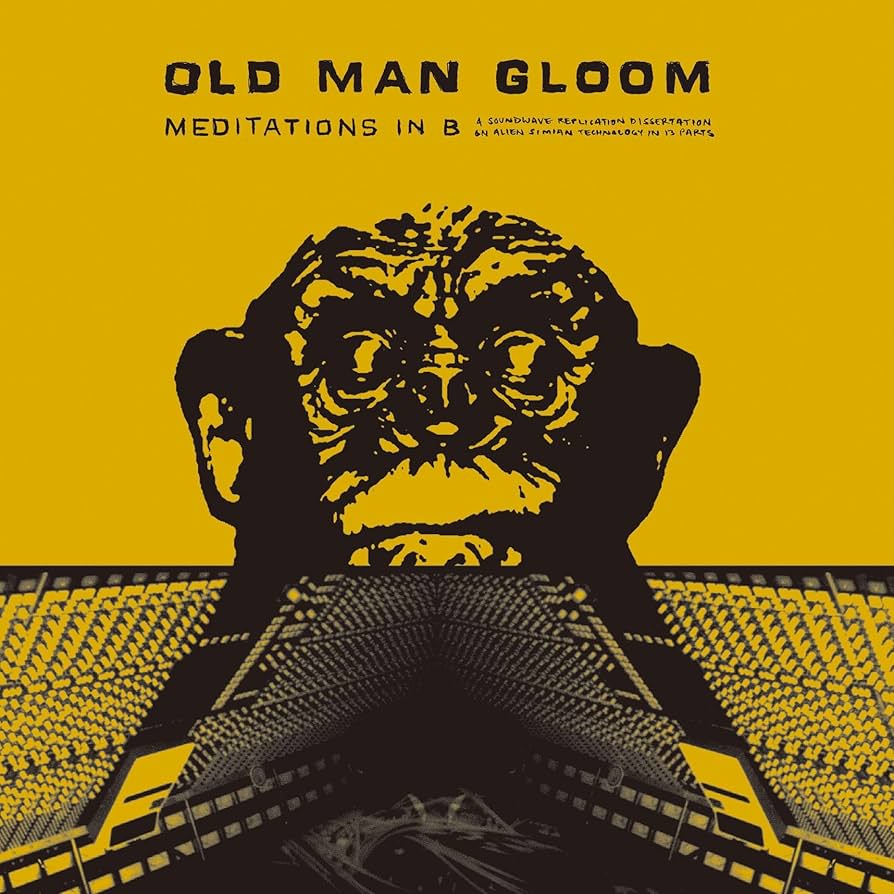
OMG - Meditations in B (1999)
Clocking in at just under 30 minutes, this debut album wildly careens between sub-two-minute bursts of explosive, sludge-infused noisecore and jarring, minimalist interludes of dark ambient drone. Aaron Turner’s corrosive roars puncture a chaotic landscape where earth-shattering doom riffs are deliberately sabotaged by harsh electronic feedback, giving the entire record a raw, frantic, and industrial energy.
The importance of Meditations in B lies in how it successfully shattered the boundaries between extreme hardcore, sludge, and avant-garde noise at the turn of the millennium. By juxtaposing primal heavy music with clinical electronic experimentation, the album helped lay the foundational groundwork for a more fragmented, experimental branch of the heavy music underground.
Stand-out tracks:
- Afraid Of
- Flood I/II
- Sonic Wave of Bees
- Rotten Primate
ℹ️ NOTE
I allowed more than three songs because they’re just so short!
OMG - The Ape of God I/II (2014)
This is a massive, multi-tiered monolith that perfectly balances their signature, ugly sludge-core with a newfound sense of sprawling, atmospheric dread. The songs are longer and more calculated than their early, frantic bursts; cavernous, drop-tuned guitar riffs crawl at a glacial, doom-metal pace, only to be punctuated by sudden explosions of violent, shifting rhythms. All while being swallowed by a dense, omnipresent fog of industrial electronics, modular synth noise, and eerie acoustic passages.
It bridged the gap between pure sonic hostility and cinematic avant-garde experimentation. Instead of just throwing noise on top of metal, the band fully integrated electronic manipulation into the songwriting, proving that atmospheric world-building could coexist with unhinged, primal aggression.
Stand-out tracks:
- Eden’s Gate
- Burden
- A Hideous Nightmare Lie Upon The World
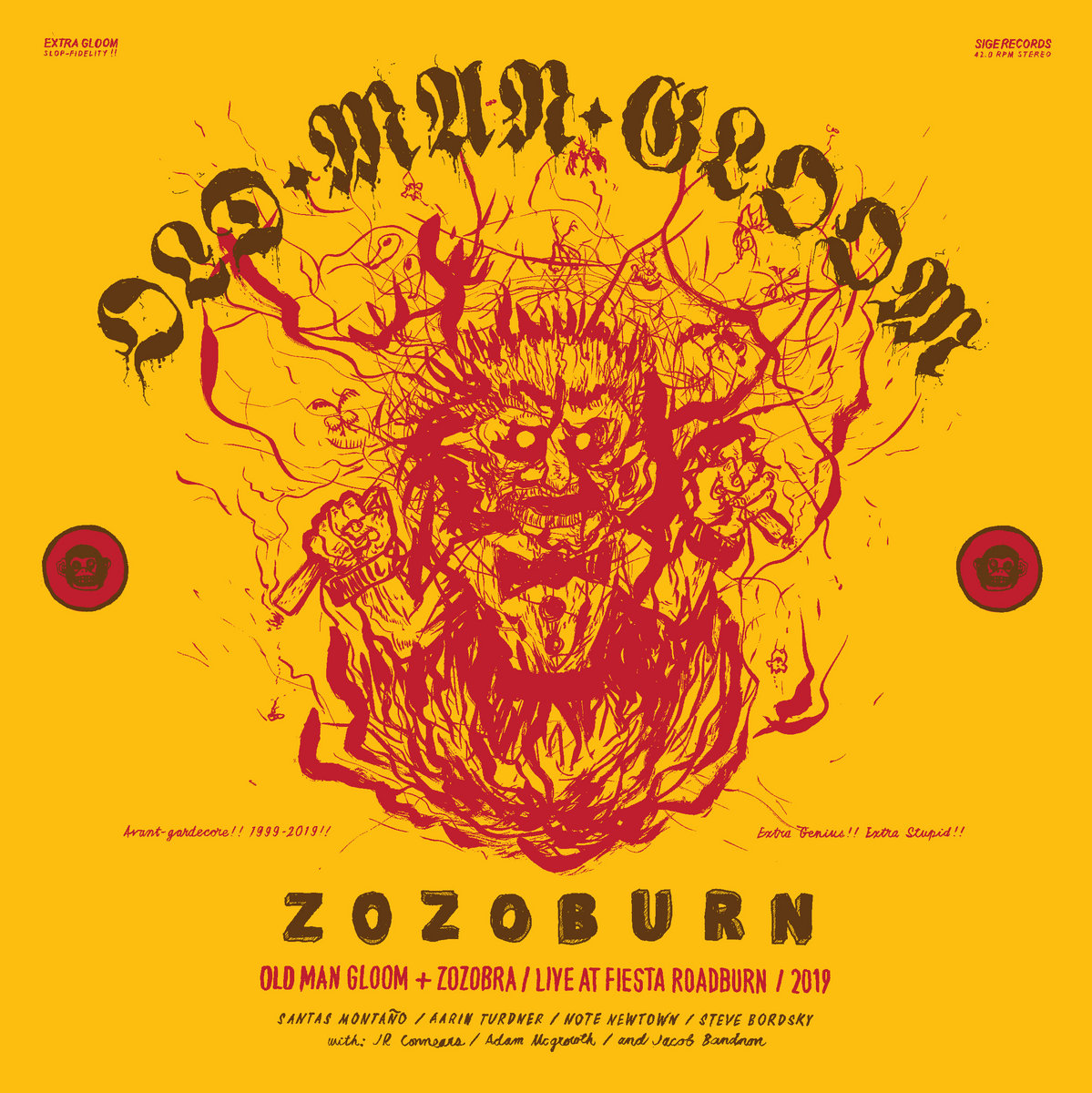
OMG - Zozoburn (2019)
Recorded at the 2019 Roadburn Festival, Zozoburn is a towering, dual-natured live document that captures the sheer kinetic energy of OMG on stage. The performance strips away the clinical, precise editing of their studio albums, replacing it with an overdriven, feedback-soaked wall of sound that feels entirely raw and unhinged.
It serves as a profound, cathartic monument of grief and brotherhood. Following the tragic passing of Caleb Scofield in 2018. The album captured a band channeling devastating personal loss into pure, celebratory volume.
Stand-out tracks:
- Shoulder Meat
- Gift
- Soon to Follow
SUMAC - Love in Shadow (2018)
SUMAC’s third album represents a radical, deconstructionist shift in the post-metal and sludge landscape. Comprising just four monolithic tracks spanning over 66 minutes, the album completely abandons traditional song structures in favor of long-form, highly volatile compositions. Musically, it marries earth-shattering, pitch-black fuzz and dysrhythmic math-sludge grooves with a heavy emphasis on free-form improvisation.
This was a landmark release because it fundamentally redefined how avant-garde jazz improvisation and extreme metal could interact. Influenced by their direct collaborations with Japanese noise-rock icon Keiji Haino, SUMAC proved that extreme music could achieve a profound sense of atmosphere and weight without relying on premeditated riffs or cinematic, post-rock crescendos.
Stand-out tracks:
- The Task
- Attis’ Blade
- Arcing Silver
💡 HINT
Let’s face it, all four tracks that make up this album are amazing.
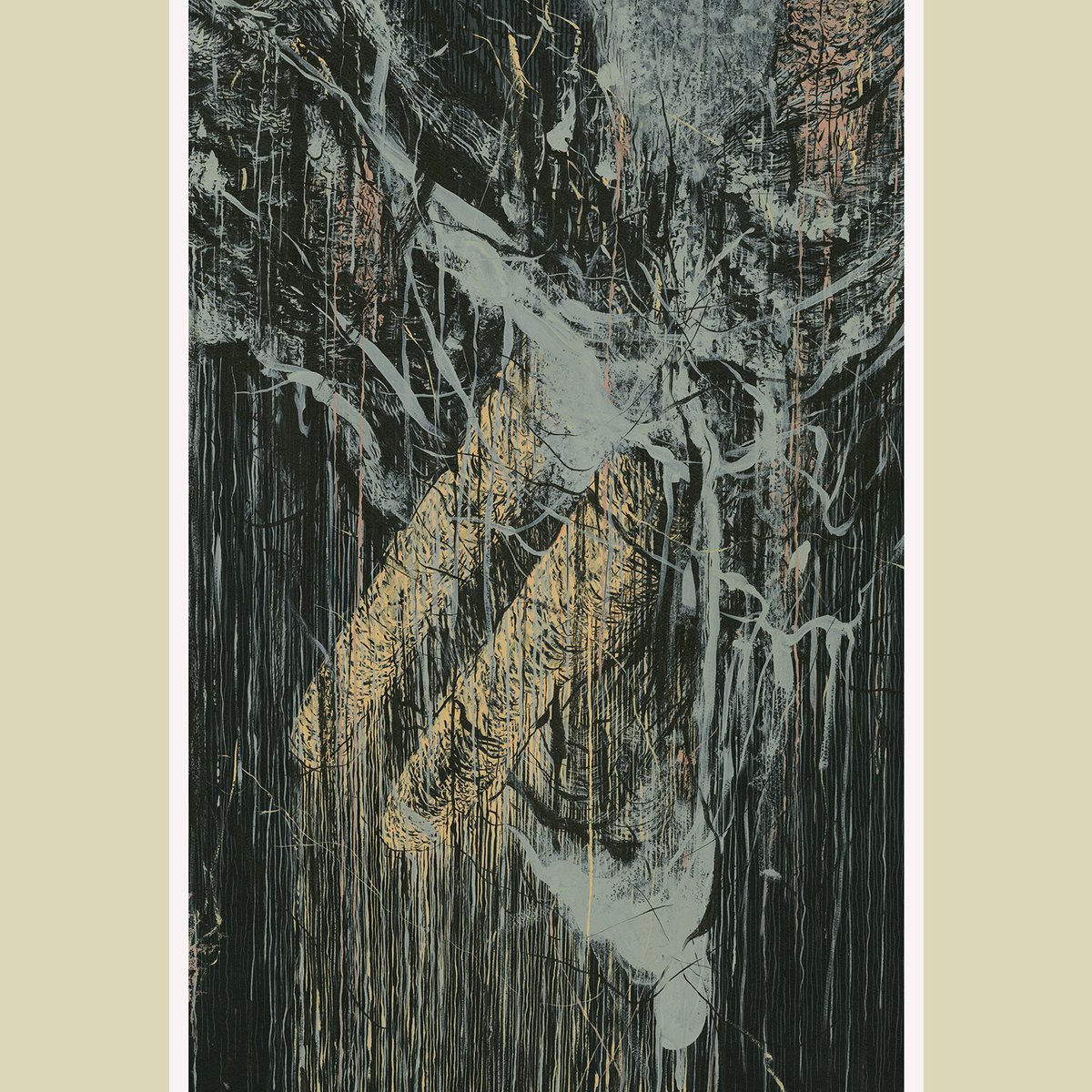
SUMAC - May You Be Held (2020)
Their fourth album, pushes their deconstructionist approach even further into the realm of abstract sonic impressionism. While it retains the band’s signature earth-shattering weight, the album is noticeably more sparse and patient, opening with a nearly ten-minute stretch of crackling electronic static, scraped strings, and minimalist free-jazz percussion. When the colossal, down-tuned sludge riffs do arrive, they feel less like structured songs and more like seismic, tectonic shifts. The music breathes in highly unpredictable waves, constantly collapsing into pockets of quiet, tense dissonance before violently erupting back into dense, free-form chaotic noise.
This album was highly significant because it shifted SUMAC’s focus from the outward, physical friction of Love in Shadow to an internal, psychological vulnerability. By leaning so heavily into quiet, formless textures and raw, improvisations, the band challenged the very definition of what makes music “heavy.” It proved that silence, hesitation, and a total lack of conventional rhythm could be just as confrontational and emotionally exhausting as a wall of distorted guitars, cementing SUMAC as pioneers of a fragile, deeply humanistic style of avant-garde metal.
Stand-out tracks:
- A Prayer for Your Path
- May You Be Held
- The Iron Chair
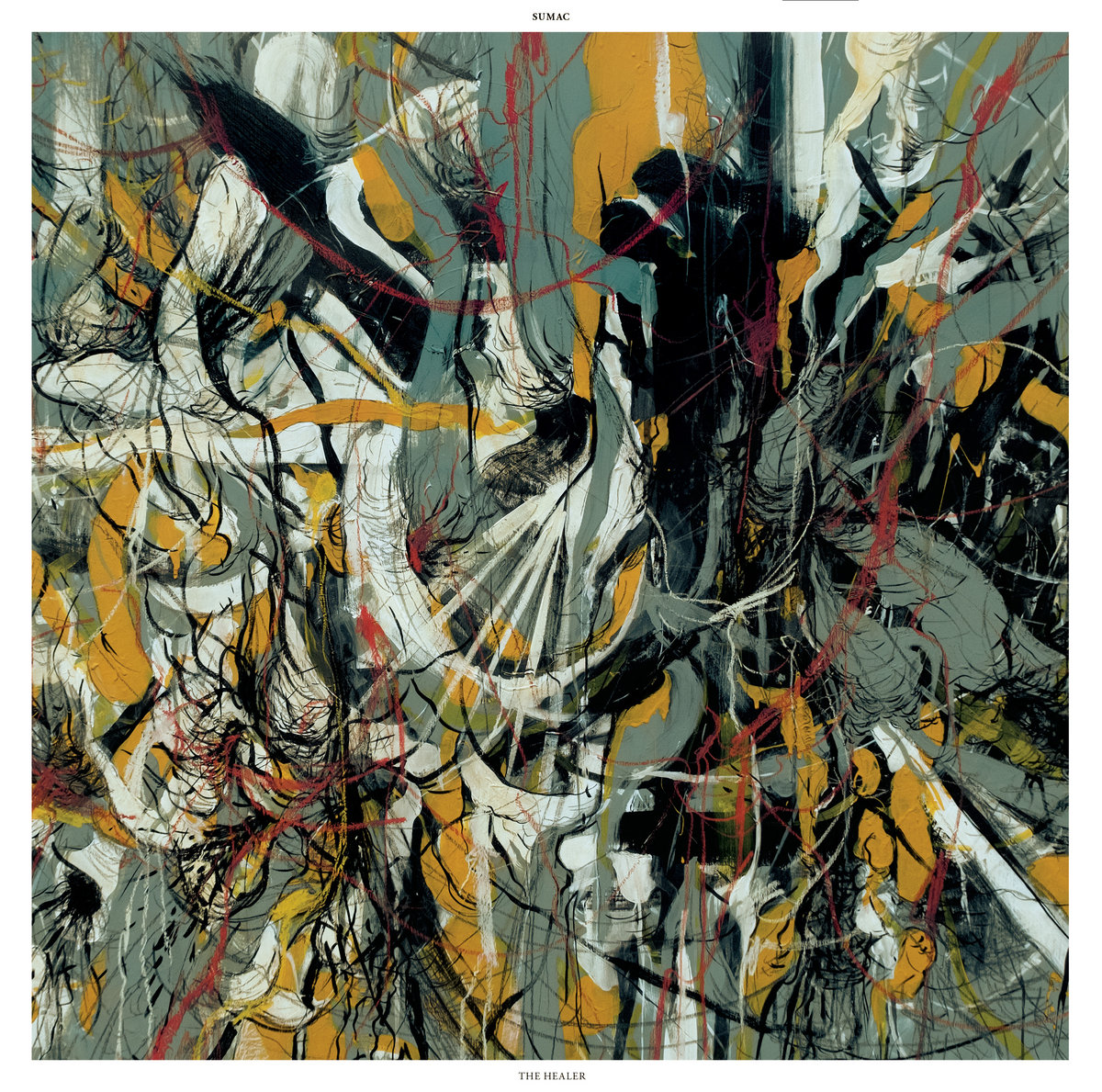
SUMAC - The Healer (2024)
The Healer acts as a monumental culmination of their avant-garde era, spanning 76 minutes across just four massive tracks. Musically, it bridges the gap between the radical, formless improvisation of their previous records and a return to devastating, tightly locked grooves. While the album still features extensive, meditation-like stretches of droning feedback, scraped strings, and abstract free-jazz dynamics, these segments now actively build toward some of the heaviest, most cohesive riffs the trio has ever recorded.
Aaron Turner’s vocals are pushed to a new level of feral intensity, ranging from bowel-scraping growls to jarring, high-pitched shrieks, all anchored by a remarkably warm and clear production that lends every instrument a towering, three-dimensional presence. This album proved that the band’s years of sonic experimentation weren’t just an academic exercise, but a catalyst for building an entirely new sub-genre—one where primal, jaw-dropping heaviness and absolute musical freedom coexist as a spiritual, meditative experience.
Stand-out tracks:
- World of Light
- Yellow Dawn
- The Stone’s Turn
Honourable Mentions
I’m sorry, I’m sorry, I tried but I just couldn’t do it. I just couldn’t stick to three releases for SUMAC. I’d quite honestly be happy to include all their releases as essential listening.
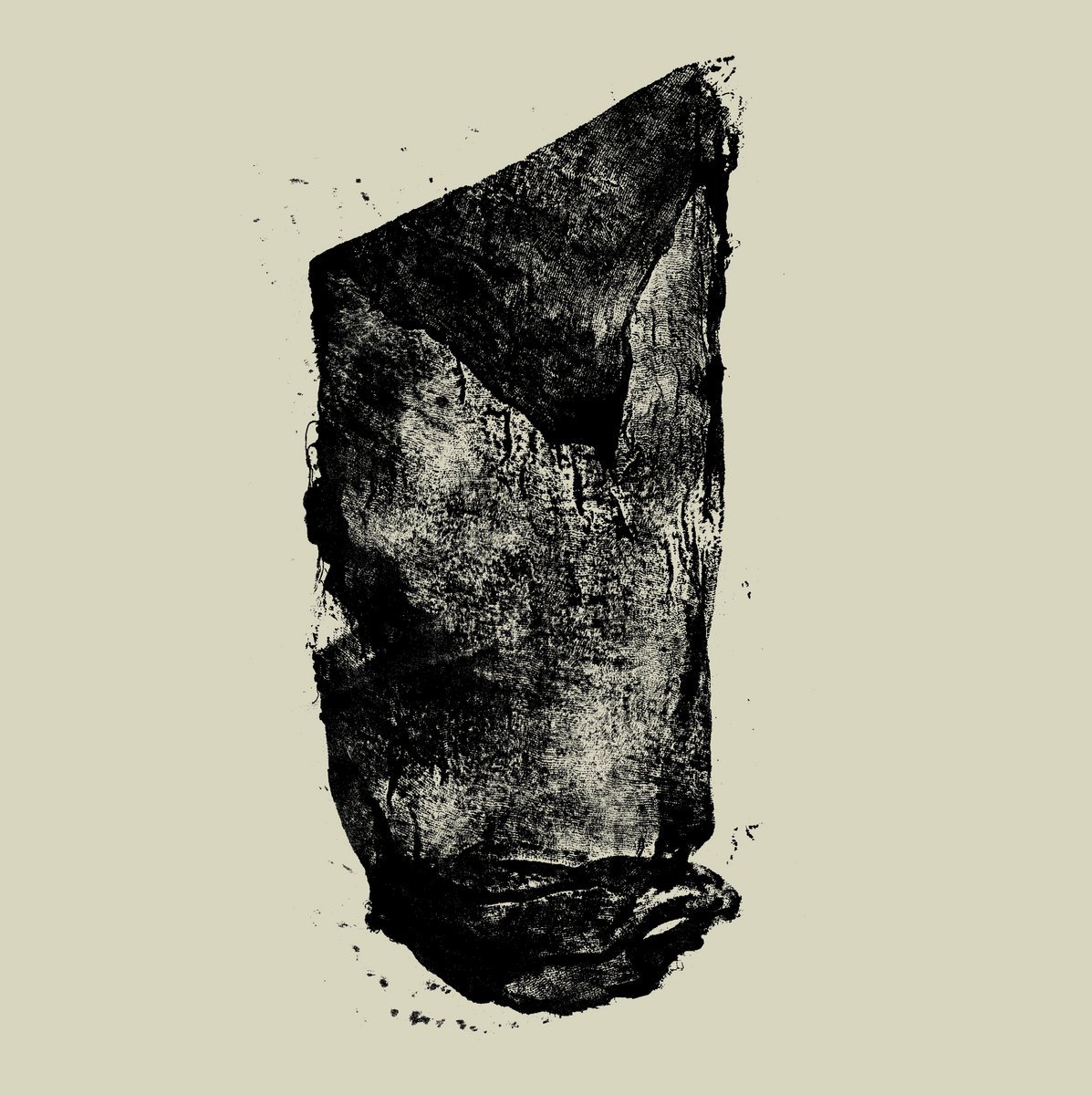
SUMAC - Two Beasts (2020)
This was a standalone single/EP, and it serves as a sprawling, 18-minute distillation of the band’s identity at the turn of the decade. Musically, the track acts as a sonic pendulum, swinging violently between monolithic, thunderous sludge-metal and free-form improvisational space. It opens with massive, crushing chords and dense, indecipherable rhythmic shifts, only to abruptly collapse into long stretches of anxious negative space, droning guitar feedback, and abstract, jazz-inspired percussion.
This release was important because it functioned as a masterclass in tension and subversion, specifically designed to test the physical and stylistic boundaries of the medium. Originally released as part of the Sub Pop Singles Club, the sheer length of the piece forced it to be literally split across two sides of a 7-inch vinyl, mirroring the thematic duality of its title. By weaponizing silence and treating quiet, avant-garde disruption as something just as dangerous and confrontational as their bowel-loosening low end, Two Beasts solidified SUMAC’s ability to compress an entire album’s worth of sonic experimentation into a single, cohesive, and deeply exhausting epic.
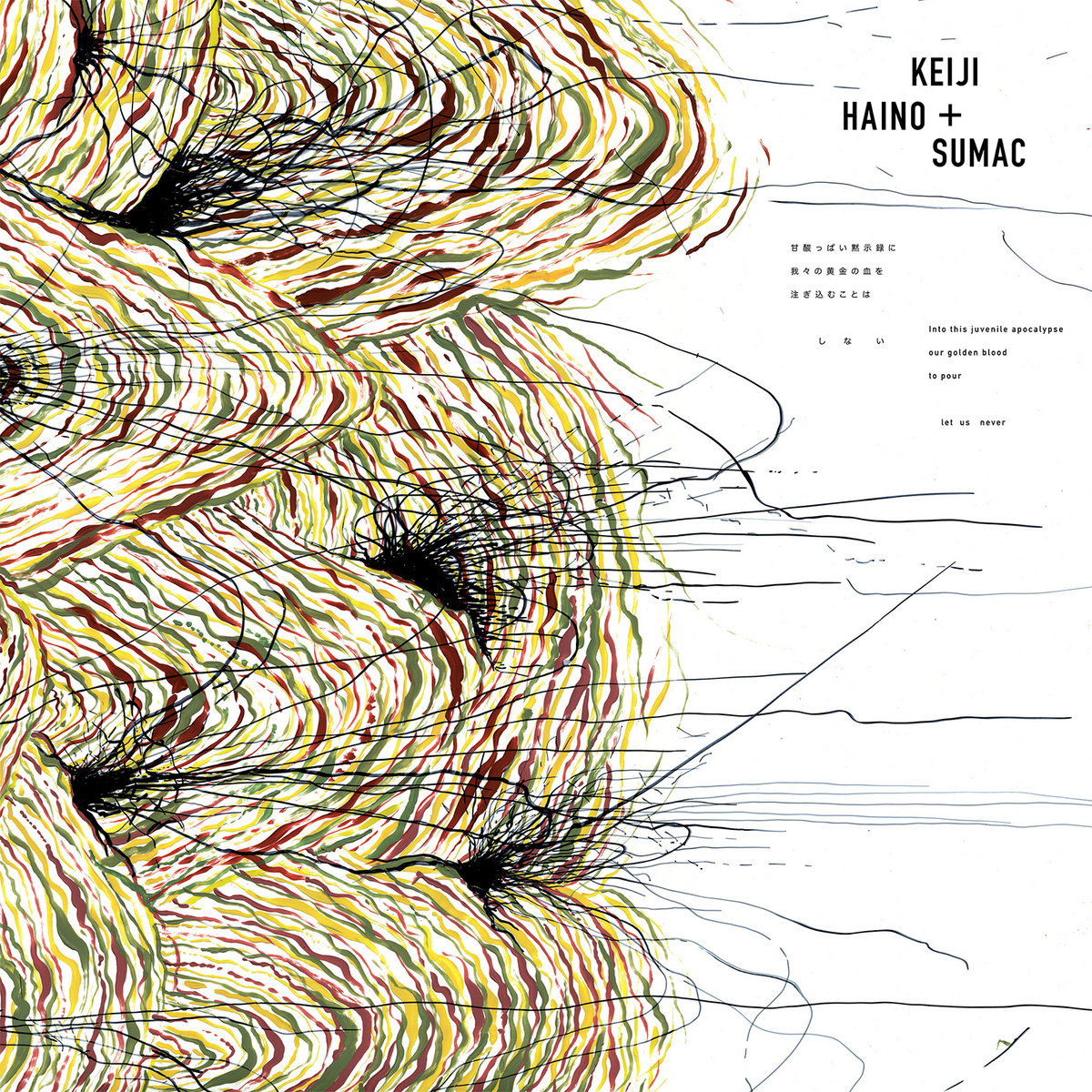
SUMAC - Into This Juvenile Apocalypse (2022)
This was SUMAC’s third collaborative album with Japanese avant-garde icon Keiji Haino, It captured the absolute peak of the quartet’s free-improvisation chemistry. Recorded entirely unedited and without a safety net during a single, one-off performance in Vancouver, the music is a masterclass in unfiltered, reactive sound creation. The record completely discards pre-written metal structures, functioning instead as a high-wire balancing act where Haino’s piercing, erratic guitar work, untamed vocal shrieks, and electronics collide with SUMAC’s massive, shape-shifting rhythmic engine. It breathes with an unpredictable, push-and-pull dynamic—frequently collapsing into fragile valleys of eerie, scraping dissonance before coalescing into roaring, spontaneous eruptions of noise-rock and avant-garde metal fury.
This live album represented the most fluent, intuitive, and cohesive dialogue between the trio and Haino. While their first two collaborative studio albums were highly challenging and abrasively experimental, this album demonstrated a profound evolution in their shared musical language, offering a much more controlled and mesmeristic sense of tension and release. It proved that free-form improvisation in the extreme music underground didn’t have to merely sound like unguided chaos. Instead, the album stood as a definitive document of shared creative brilliance—proving that a heavy band could walk into a room completely blind and still construct an incredibly heavy, emotionally resonant, and cinematic landscape on the fly.
Stand-out tracks:
- A shredded coiled cable…
- Into this juvenile apocalypse…
- That fuzz pedal you planted…
💡 HINT
The ellipsis needs no explaining. If you know, you know 😉
Turning the Volume Down (For Now)
So, how much noise can one man make? As it turns out, a lifetime’s worth.
From the tidal post-metal architecture of ISIS and the fragmented, industrial trickery of Old Man Gloom, to the uncompromising avant-garde deconstructions of SUMAC, Aaron Turner’s career is a masterclass in creative evolution. Looking back at this timeline, it becomes obvious that his trajectory was never about chasing trends or settling into a comfortable groove. It has always been about pushing boundaries, testing limits, and following an artistic compass guided by pure, unadulterated integrity.
Whether it is a beautifully paced, slow-burning crescendo or an 18-minute improvisational storm split across a 7-inch vinyl, this music demands something rare from us in the modern world: our undivided attention. But for those willing to sit in the dark and let the walls of feedback wash over them, the reward is unmatched. It is music that functions as a mirror, offering catharsis, meditation, and whatever space you need to find your own answers.
Aaron Turner found Caps Lock a long time ago, and honestly? I hope he never turns it off.